Materials guide

Compare Roofing Materials for Your Next Project

Selecting the right roofing material depends on your building type, climate, and budget. Different materials offer varying service lives and maintenance needs, making informed choices essential for long-term performance and cost management in our service region.

This guide explains common roofing options including asphalt shingles, metal, tile, and flat-roof membranes. Each material suits specific roof styles and owner priorities in our service cities and surrounding counties.

Compare

Side-by-side comparison

Below is a comparison table outlining key roofing materials and their typical service life ranges for residential and commercial applications.

MaterialTypical service lifeRoof typeBest for
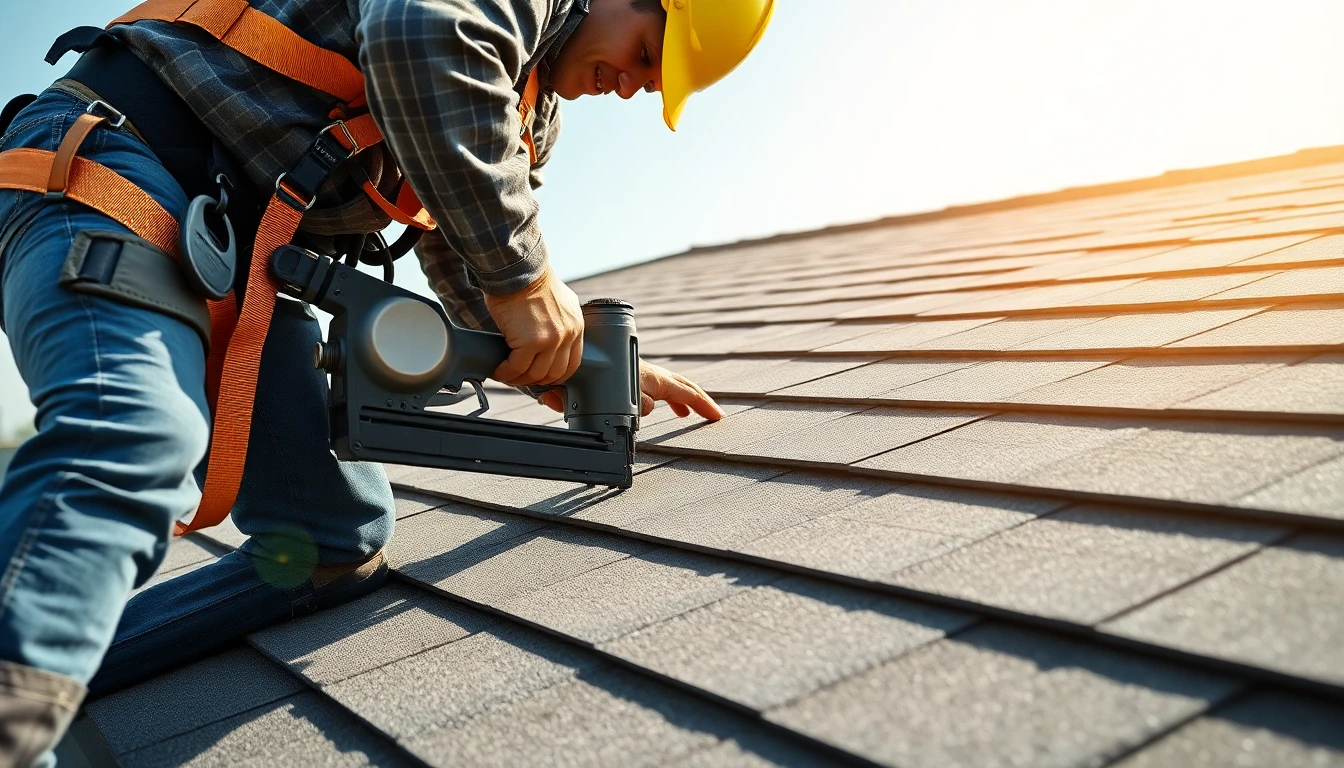
Three-tab asphalt shingles about 15 to 18 years Steep-slope, residential budget re-roofs on simple gable roofs, rental and starter homes, matching an existing three-tab roof
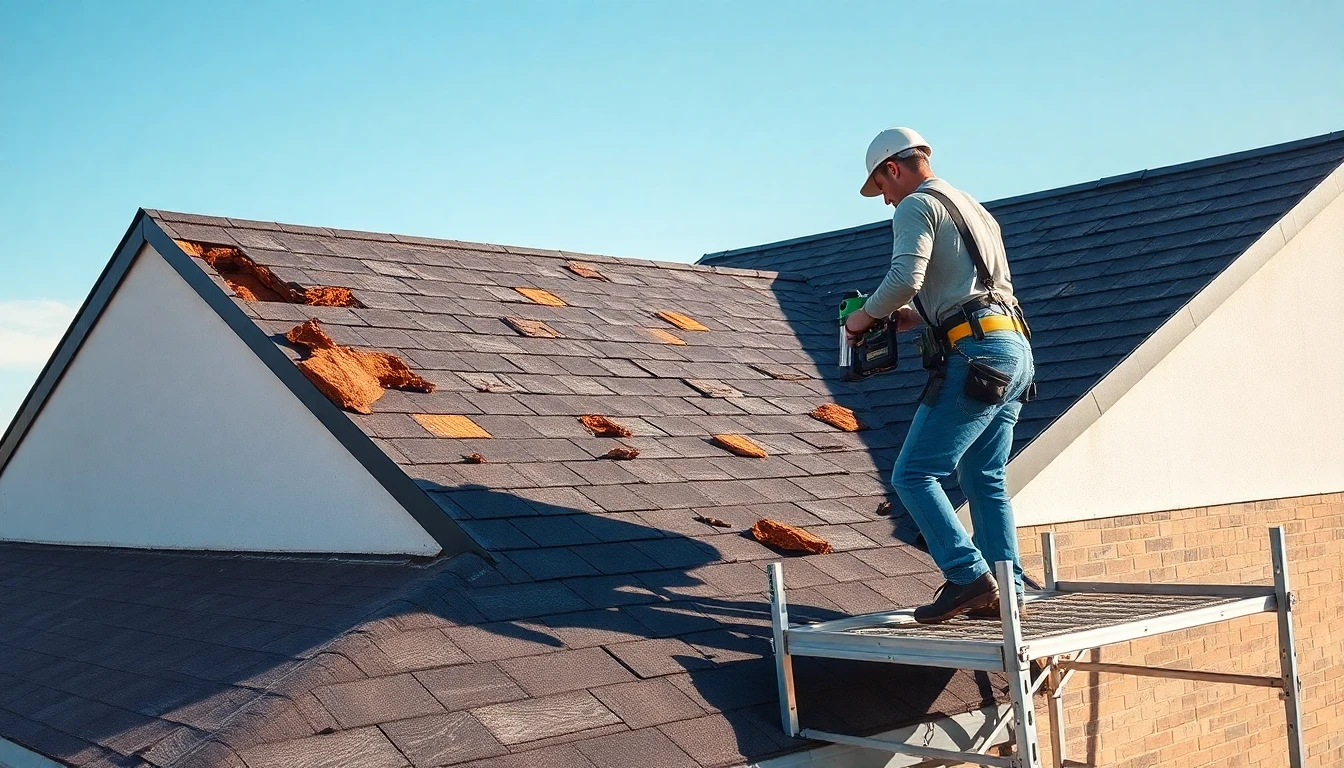
Architectural (dimensional) asphalt shingles about 24 to 30 years Steep-slope, residential most full roof replacements, homes that want a thicker, shadow-line look, areas with stronger wind ratings
Metal roofing (standing seam and panels) about 40 to 70 years Steep-slope and low-slope, residential and commercial owners who want one roof for decades, snow, wind and wildfire-exposed sites, low-slope sections that shingles cannot cover
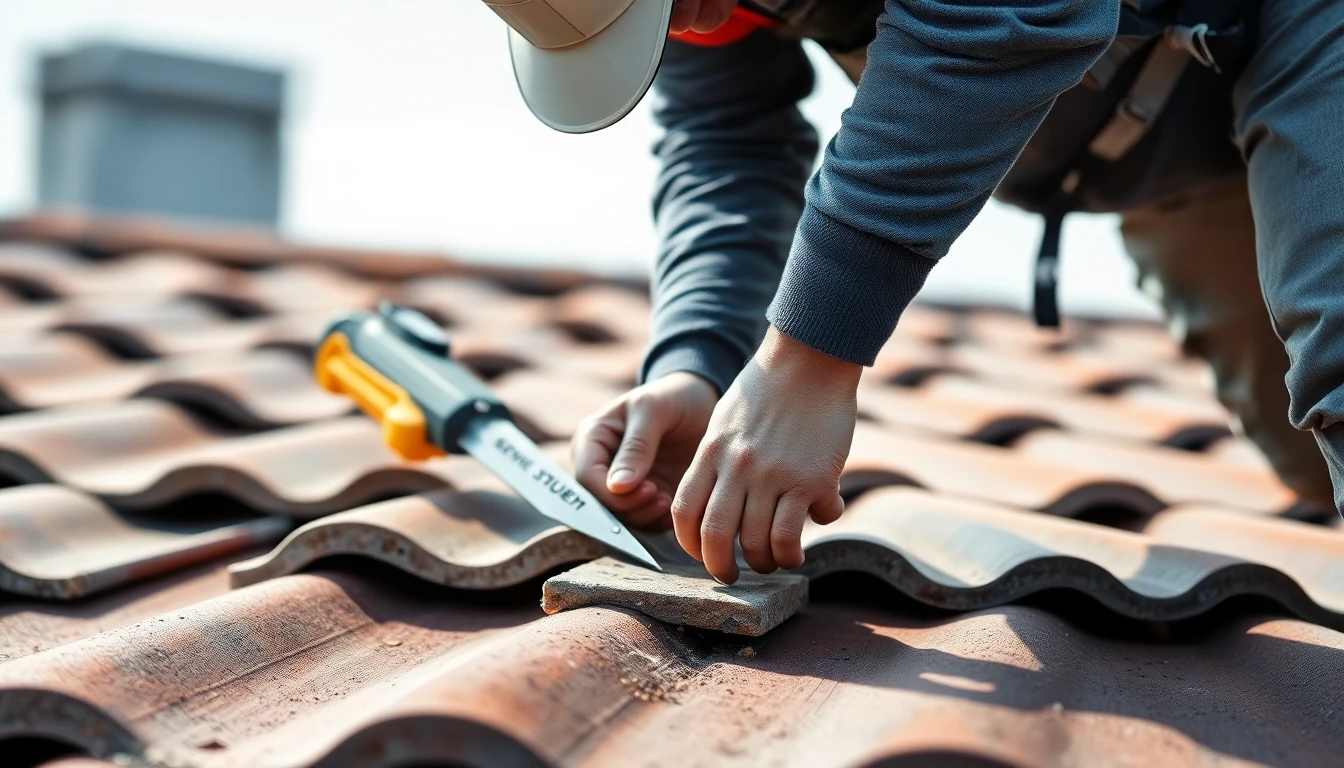
Clay and concrete tile concrete tile about 30 to 50 years; clay tile often more than 50 years Steep-slope, residential Mediterranean and Southwest-style homes, hot, sunny climates, owners replacing an existing tile roof
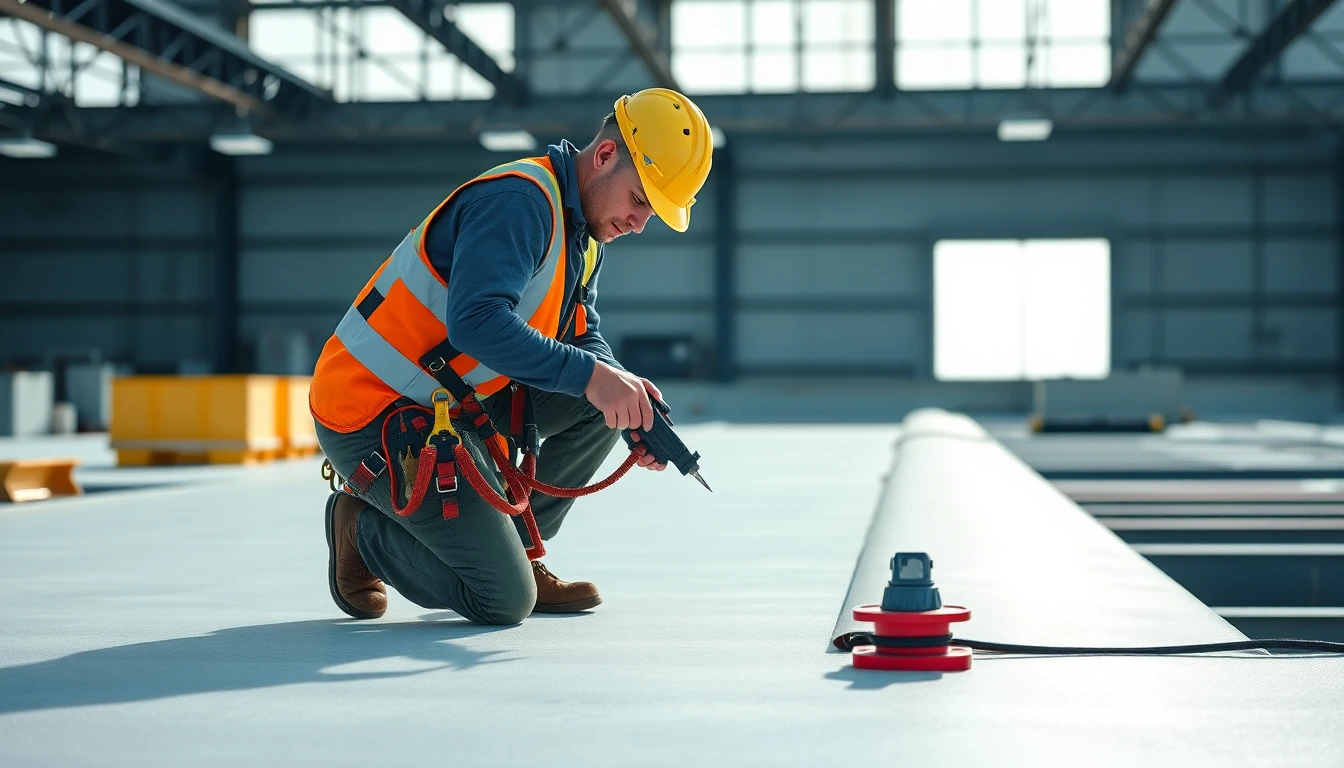
Flat-roof membranes (TPO, EPDM, PVC) about 20 to 30 years, depending on the membrane and upkeep Low-slope and flat, commercial and residential additions commercial and industrial buildings, flat additions, porches and garages, roofs with rooftop equipment

Each material

Roofing materials in detail

Three-tab asphalt shingles

Three-tab asphalt shingles

The basic flat-profile asphalt shingle. A fiberglass mat coated in asphalt with mineral granules, laid in single-thickness strips.

Strengths

  • ✓ lowest material weight of the common options
  • ✓ fast to install and to repair a section
  • ✓ widely stocked, easy colour matching

Trade-offs

  • – shortest service life of the shingle types
  • – flat look; less wind resistance than architectural shingles
  • – granule loss and curling show age early
Typical service life:
about 15 to 18 years
Best for:
budget re-roofs on simple gable roofs, rental and starter homes, matching an existing three-tab roof
Architectural (dimensional) asphalt shingles

Architectural (dimensional) asphalt shingles

Laminated asphalt shingles with a layered, dimensional profile. The default choice for a residential replacement.

Strengths

  • ✓ laminated double layer, heavier and more wind resistant than three-tab
  • ✓ longer service life for a modest step up
  • ✓ impact-rated versions exist (UL 2218 classes)

Trade-offs

  • – still an asphalt product: heat and UV wear it down over time
  • – heavier than three-tab
  • – colour blends vary by lot; repairs may not match exactly
Typical service life:
about 24 to 30 years
Best for:
most full roof replacements, homes that want a thicker, shadow-line look, areas with stronger wind ratings
Metal roofing (standing seam and panels)

Metal roofing (standing seam and panels)

Steel or aluminum panels, usually standing-seam with concealed fasteners or exposed-fastener corrugated panels.

Strengths

  • ✓ longest service life of the common residential options
  • ✓ sheds snow and rain quickly; non-combustible
  • ✓ light weight for its strength; recyclable

Trade-offs

  • – higher up-front material and labour effort
  • – expansion noise and oil-canning on some panels
  • – repairs need the matching profile and colour
Typical service life:
about 40 to 70 years
Best for:
owners who want one roof for decades, snow, wind and wildfire-exposed sites, low-slope sections that shingles cannot cover
Clay and concrete tile

Clay and concrete tile

Individual overlapping clay or concrete tiles on battens over an underlayment. The tiles outlast the underlayment beneath them.

Strengths

  • ✓ very long service life, fire resistant, rot and insect proof
  • ✓ heavy mass keeps attics cooler in the sun
  • ✓ individual broken tiles can be swapped

Trade-offs

  • – heaviest common material; the framing must be rated for it
  • – brittle underfoot; walking the roof breaks tiles
  • – the underlayment beneath usually wears out before the tiles do
Typical service life:
concrete tile about 30 to 50 years; clay tile often more than 50 years
Best for:
Mediterranean and Southwest-style homes, hot, sunny climates, owners replacing an existing tile roof
Flat-roof membranes (TPO, EPDM, PVC)

Flat-roof membranes (TPO, EPDM, PVC)

Single-ply sheets welded or bonded into one waterproof layer over a low-slope deck: TPO and PVC are heat-welded thermoplastics, EPDM is a bonded rubber.

Strengths

  • ✓ single continuous sheet with welded (TPO/PVC) or bonded (EPDM) seams
  • ✓ light-coloured TPO and PVC reflect heat
  • ✓ sections can be patched without a full tear-off

Trade-offs

  • – water that ponds or a blocked drain shortens the life
  • – seams and penetrations are where leaks start
  • – foot traffic and rooftop work can puncture it
Typical service life:
about 20 to 30 years, depending on the membrane and upkeep
Best for:
commercial and industrial buildings, flat additions, porches and garages, roofs with rooftop equipment

Choosing

Which material for which roof

Budget Starter Homes

Three-tab asphalt shingles typically last about 15 to 18 years. They are suited for simple gable roofs, rental properties, or matching existing three-tab roofs. Their light weight and quick installation make them common for budget-conscious projects.

Longer-Lasting Residential Roofs

Architectural asphalt shingles offer a service life of about 24 to 30 years. They provide a thicker look and better wind resistance, making them suitable for full roof replacements where durability and appearance matter.

Durable Metal Roofs

Metal roofing, including standing seam and panels, can last from 40 to 70 years. Ideal for steep or low slopes, it resists snow, wind, and fire, fitting residential and commercial buildings needing long-term protection.

Flat Roofs and Commercial Spaces

Flat-roof membranes like TPO, EPDM, and PVC generally last 20 to 30 years. They cover flat or low-slope roofs with continuous sheets and are common on commercial buildings and residential additions.

FAQ

Material questions

How do roofing materials affect roof replacement costs?
Costs vary by roof size, pitch, material choice, and whether tear-off or overlay is needed. Decking repairs, access difficulty, permits, and insurance claim steps also influence the overall expense and project timeline.
What should I do after storm damage to my roof?
Avoid walking on the roof. Inspect from the ground and attic for damage, photograph issues, cover open areas with tarps, and call a roofer for inspection before notifying your insurer.
Are building permits required for roof replacements?
Most local jurisdictions require permits and inspections for full roof replacements or re-roofs. Small repairs often do not need permits. Contractors typically manage the permit process and coordinate inspections with the building department.
Why choose metal roofing for my home or business?
Metal roofing offers the longest service life among common options and performs well in harsh weather. It sheds snow and rain quickly and is non-combustible and recyclable, suitable for many roof types.
What is the typical lifespan of a commercial roof?
The typical lifespan of a commercial roof varies by material. Asphalt shingles last about 15 to 30 years depending on type, metal roofs can last 40 to 70 years, tile roofs often last 30 to over 50 years, and flat-roof membranes typically last 20 to 30 years. The exact lifespan depends on factors like roof size, pitch, material, tear-off or overlay, decking condition, access, permits, and maintenance. A professional inspection provides the most accurate estimate for your roof.
What is the biggest problem with metal roofs?
The biggest problem with metal roofs is the higher up-front material and labor effort compared to other roofing types. Metal roofs can also experience expansion noise and oil-canning on some panels, and repairs require matching the profile and color exactly. Despite these trade-offs, metal roofs offer a long service life of about 40 to 70 years and are well-suited for snow, wind, and wildfire-exposed sites.

Schedule Your Roof Inspection

Contact our team to evaluate your roofing needs and discuss suitable materials. We serve multiple cities and provide expert advice to help plan your roof repair or replacement.

Call for a quote (833) 748-3539